A camera, a model, a panel — and nothing on the line you don't already have.
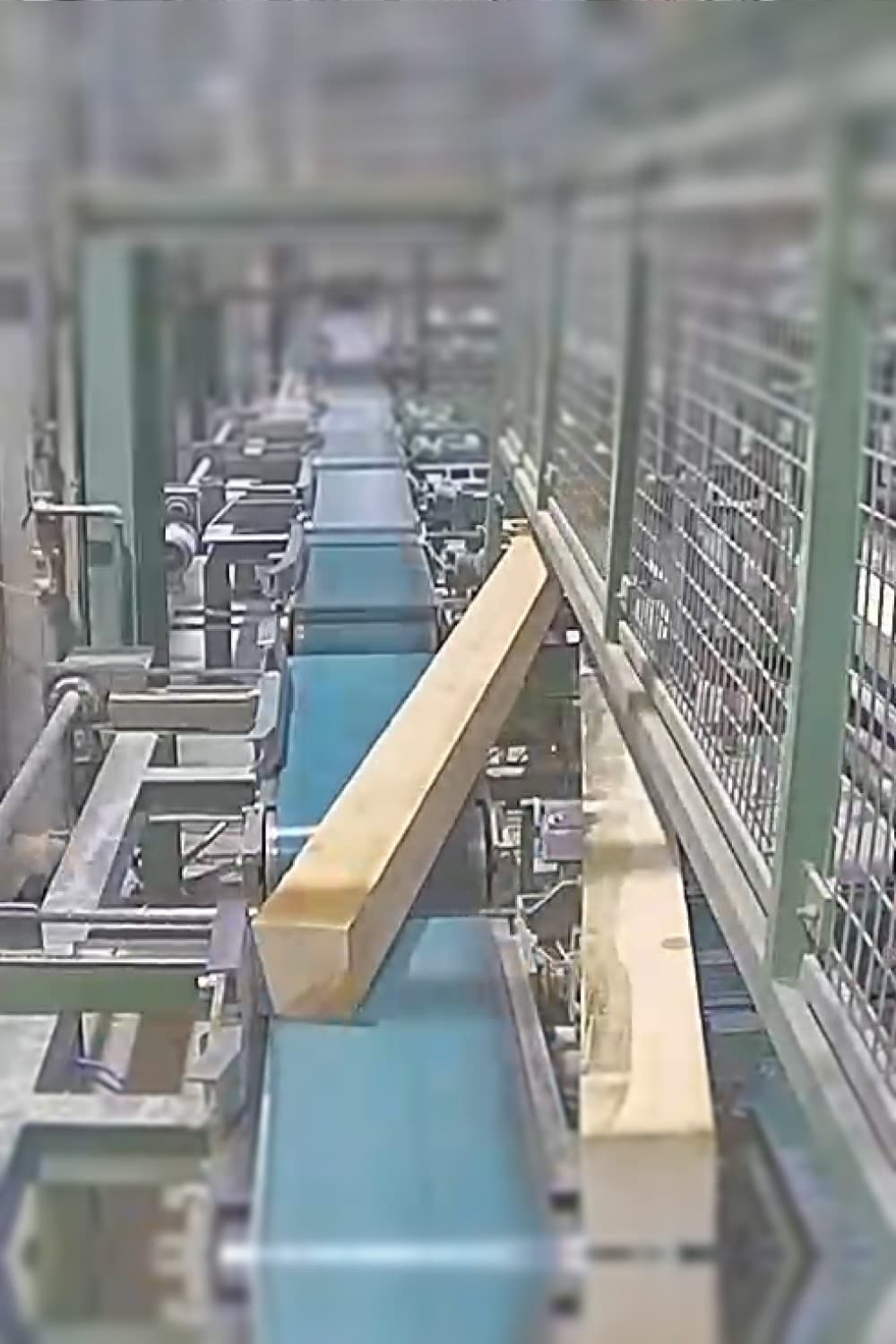
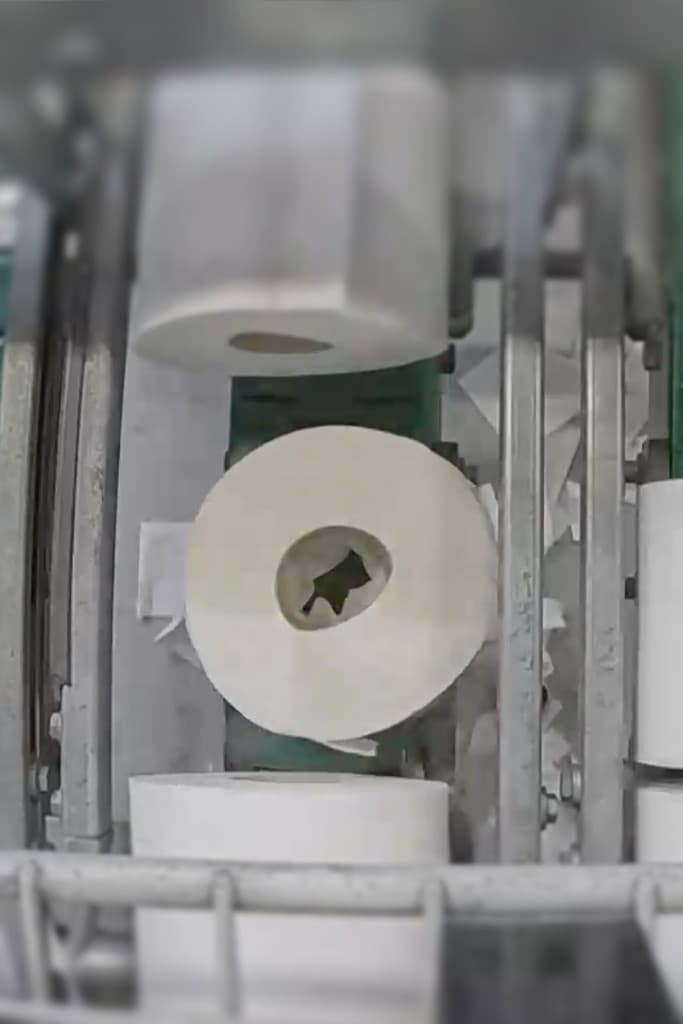
NumTech is a per-line visual oversight system. It connects to the IP cameras you already own, runs a model trained on your own footage, and turns what it sees into structured events that an operator alert and a shift report both consume.
From frame to action in seconds.
Every feed runs through the NumTech AI worker. The instant an event appears it's flagged — and the response fires automatically: a stop, an alert, an escalation, before the next unit moves.
NumTech AI Worker
Buffer nearing overflow
Line 2 buffer area · 14:15:40
Line leader notified
Escalation sent · 14:15:42
Trained on your line, refined every shift.
- 01
Capture
We record a representative week of footage from the watched positions.
- 02
Label
Annotators under NDA tag the failure modes specific to your product mix.
- 03
Train
A line-specific model converges on the failure set in days, not months.
- 04
Deploy
The model runs on the edge appliance; updates ship without stopping the line.
- 05
Refine
False positives and missed events feed back into the next checkpoint.
Footage stays in the country it was recorded in.
NumTech is hosted in Uzbekistan. Raw video stays on the line's edge appliance and is not transmitted off-site by default. The dashboard sees structured events — timestamps, types, confidence. You can opt into hosted storage of short event clips for review, and you keep the bytes either way.
Built for a regulated factory floor.
- 01
Role-based access
Operator, supervisor, plant manager, and read-only roles. Audit log on every action.
- 02
No PII in training data
Faces are not part of the failure-mode training set. Worker visibility is not the product.
- 03
Encrypted in transit
Streams between the edge appliance and the dashboard are TLS-encrypted.
- 04
Local-first inference
The model runs at the edge; the line operates independently of the WAN.
Questions we've already heard.
Do we need to replace the cameras we already have?
Where does our footage live?
What happens if the internet goes down?
Can it run in a noisy or dusty environment?
What if the model flags something that isn't a defect?
Five lines of work.
Where the system is already running or in commissioning.
Let's look at your line together.
An hour of conversation, a video walkthrough of a representative case. Specific answers to your specific questions.